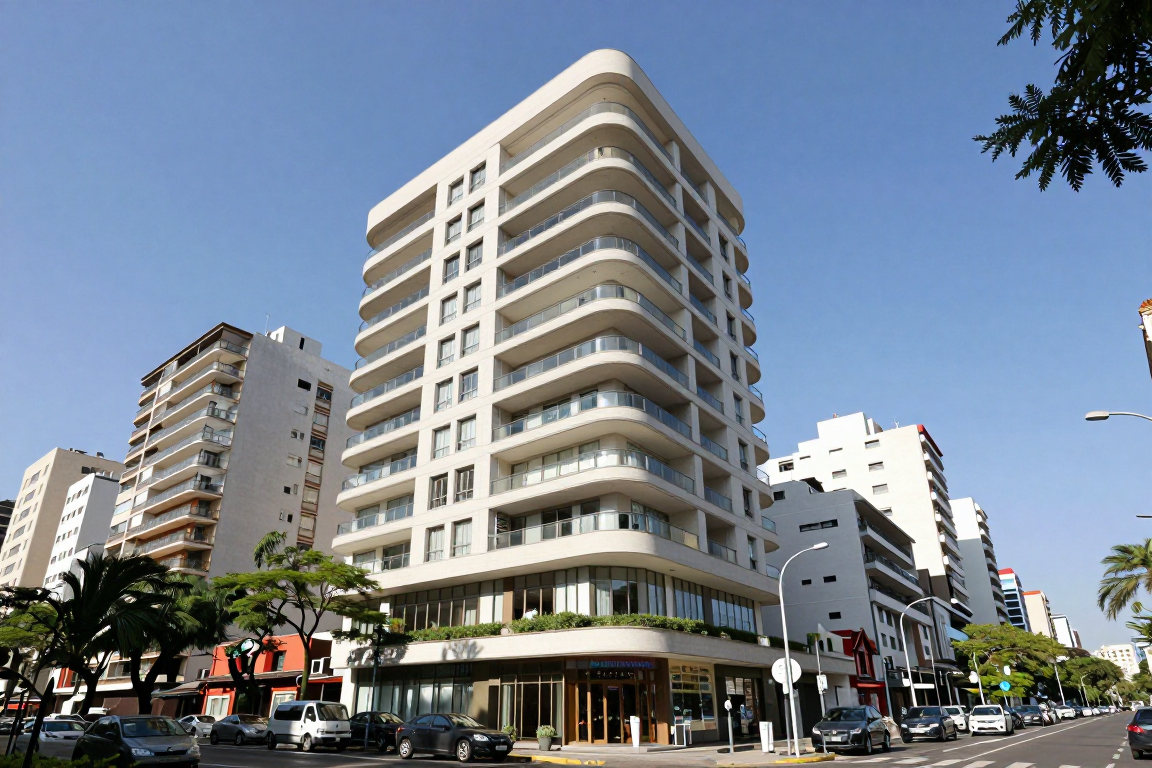
BUENOS AIRES, May 2, 2025 (Reuters) — Property sales in Buenos Aires rose 34% in the first quarter of 2025 compared with the same period a year earlier, the city's notaries' association reported Tuesday, the strongest quarterly gain since 2017 and the latest sign that President Javier Milei's currency stabilization is reviving a real estate market that had been frozen by hyperinflation and exchange-rate chaos.
A total of 8,241 property deeds were signed in the capital between January and March, up from 6,147 in the first quarter of 2024 and the highest quarterly figure since the pre-pandemic boom of late 2019. The surge was driven entirely by dollar-denominated transactions, which accounted for 94% of sales — the highest dollarization rate on record and a dramatic shift from 2023, when roughly 60% of transactions involved complex peso-dollar arbitrage at unofficial rates.
Real estate brokers said the market has gone from one where nobody trusted the sticker price to one where the sticker price is the price. For the first time in a decade, buyers and sellers agree on what a property is worth. Deals close in 30 days instead of six months of negotiation over which exchange rate to use.
The stabilization of the exchange rate under Milei's crawling peg regime has eliminated the parallel-market arbitrage that plagued transactions under previous governments, when properties were listed in dollars but often settled at unofficial exchange rates that varied by buyer and seller, creating mistrust and legal disputes.
Prices have begun recovering from historic lows but remain attractive by international standards. Prime residential properties in Palermo and Recoleta now trade at $1,800-$2,400 per square meter, up approximately 8% from trough levels in late 2024 but still 30-40% below comparable neighborhoods in Santiago, Mexico City, or São Paulo.
Foreign buyers, who had virtually disappeared during the 2020-2023 crisis, are returning in significant numbers. The notaries' association reported that buyers with foreign tax identification numbers accounted for 12% of transactions in the first quarter, up from 3% a year earlier. Americans, Spaniards, Uruguayans, and an increasing number of digital nomads from the United States and Europe were the most active foreign buyers.
Commercial real estate has been slower to recover. Office vacancy rates in the Catalinas Norte business district remained elevated at 18% in March, though down from a peak of 22% in 2023. Cap rates for Class B office buildings range from 7.5% to 9%, attractive compared with U.S. Treasuries but reflecting political risk premiums that keep some institutional investors cautious.
The rental market has also transformed. The 2023 repeal of Argentina's restrictive lease law, which had mandated three-year terms and inflation-indexed rents, has given landlords flexibility to offer shorter leases and dollar-denominated contracts. Average monthly rents for a one-bedroom apartment in Palermo now range from $650 to $850, depending on building amenities.
Commercial brokers described Buenos Aires as a frontier market with first-world architecture, educated tenants, and dollar pricing — an unusual combination for patient capital with a five-year horizon.