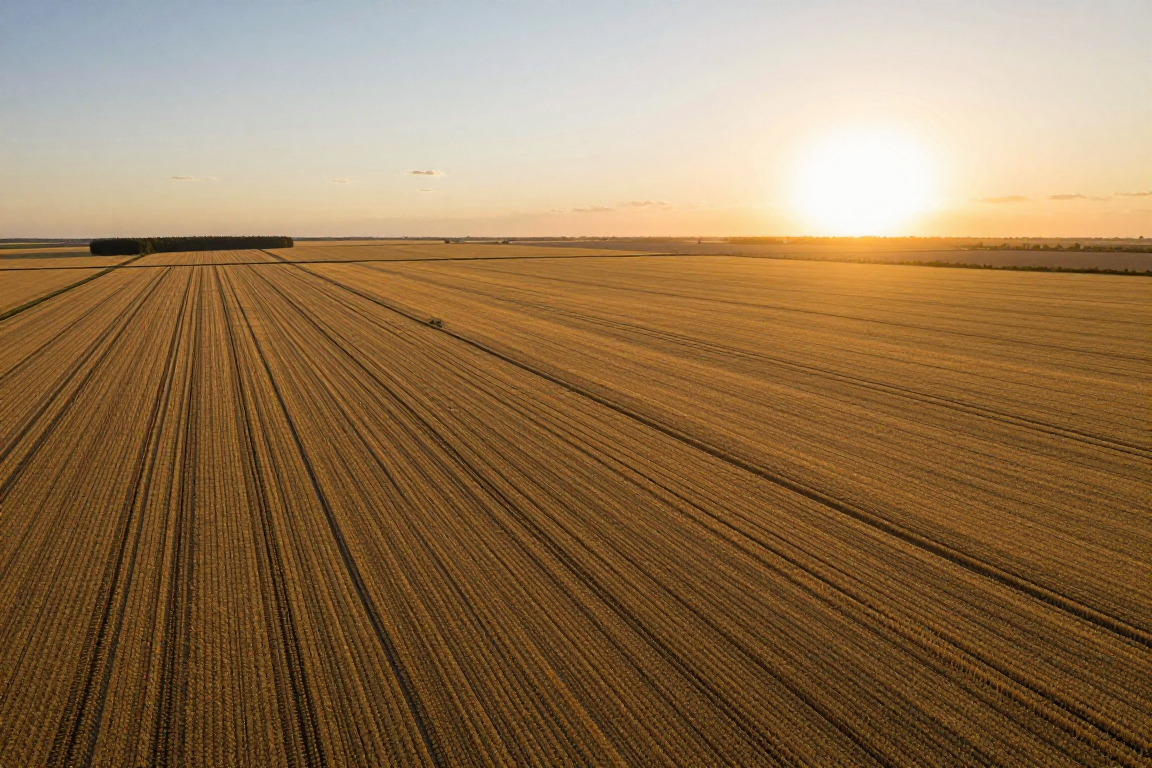
BUENOS AIRES, May 2, 2025 (Reuters) — Argentina's 2024-2025 soybean harvest reached 49.8 million tonnes, the Agriculture Ministry announced Friday, the largest crop in five years and a critical source of dollar inflows for a government desperate to rebuild foreign exchange reserves and maintain its crawling peg exchange rate regime through October's elections.
The harvest, which exceeded the ministry's 47-million-tonne forecast and surpassed last year's 42.5 million tonnes, was driven by favorable weather in the Pampas grain belt during January and February and expanded planting as farmers responded to Milei's elimination of export taxes and currency controls on agricultural sales that had distorted planting decisions for a decade.
Export revenue from grains and oilseeds is projected to reach $28 billion for the 2024-2025 cycle, up from $19.4 billion the previous year, according to the Rosario Grain Exchange, the country's most authoritative agricultural market body. The surge has been a lifeline for the Central Bank, which has purchased approximately $8.2 billion from the agricultural sector since March, directly bolstering gross international reserves that now stand at $31.2 billion.
The Argentine Rural Society said the harvest saved Argentina's balance of payments, noting that for the first time in 20 years, farmers are selling at world prices, in dollars, and keeping the proceeds. The psychological effect is enormous, with farmers making investment decisions on five-year horizons again.
Farmers had stockpiled an estimated 18 million tonnes of soybeans from previous harvests as a store of value under the previous administration's currency controls, which forced them to convert export dollars to pesos at unfavorable official rates. That "soy dollar" backlog has now largely cleared, with exporters reporting record monthly shipment volumes of 4.2 million tonnes through Argentina's Paraná River ports in March and April.
Wheat and corn production also rebounded strongly. The combined grain harvest is expected to reach 148 million tonnes, the second-highest on record, according to the Buenos Aires Grain Exchange. Wheat exports are projected at 12.5 million tonnes, up from 9.8 million last year.
The boom has not been without complications. The surge in export volumes has strained Argentina's port infrastructure, with vessel waiting times at Rosario reaching 12 days in April — triple the normal level. The government announced a $400 million port modernization program last month, but construction will not begin until 2026 and opposition governors have threatened to block federal funding for ports in their provinces.
Domestic meat prices have also come under pressure as ranchers increase cattle exports to capitalize on high international beef prices. The price of beef in Buenos Aires supermarkets rose 8% in April, prompting consumer complaints and a warning from the domestic trade secretary that export quotas could be reimposed if prices continue climbing.
Economist Marina Dal Poggetto of EcoGo consultancy said the agricultural boom is unquestionably positive for reserves and growth, but the government needs to manage the domestic side effects carefully or they'll face a political backlash from consumers that offsets the economic gains.
The windfall has also reignited a long-standing dispute between the federal government and provincial governors over agricultural export taxes. Milei eliminated the 33% soybean export tax in January, a move that transferred roughly $2.8 billion annually from federal revenue to farmer incomes. Governors are now demanding a restoration of the tax or equivalent federal compensation, arguing that the lost revenue has forced cuts to provincial health and education budgets.